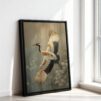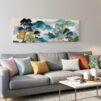


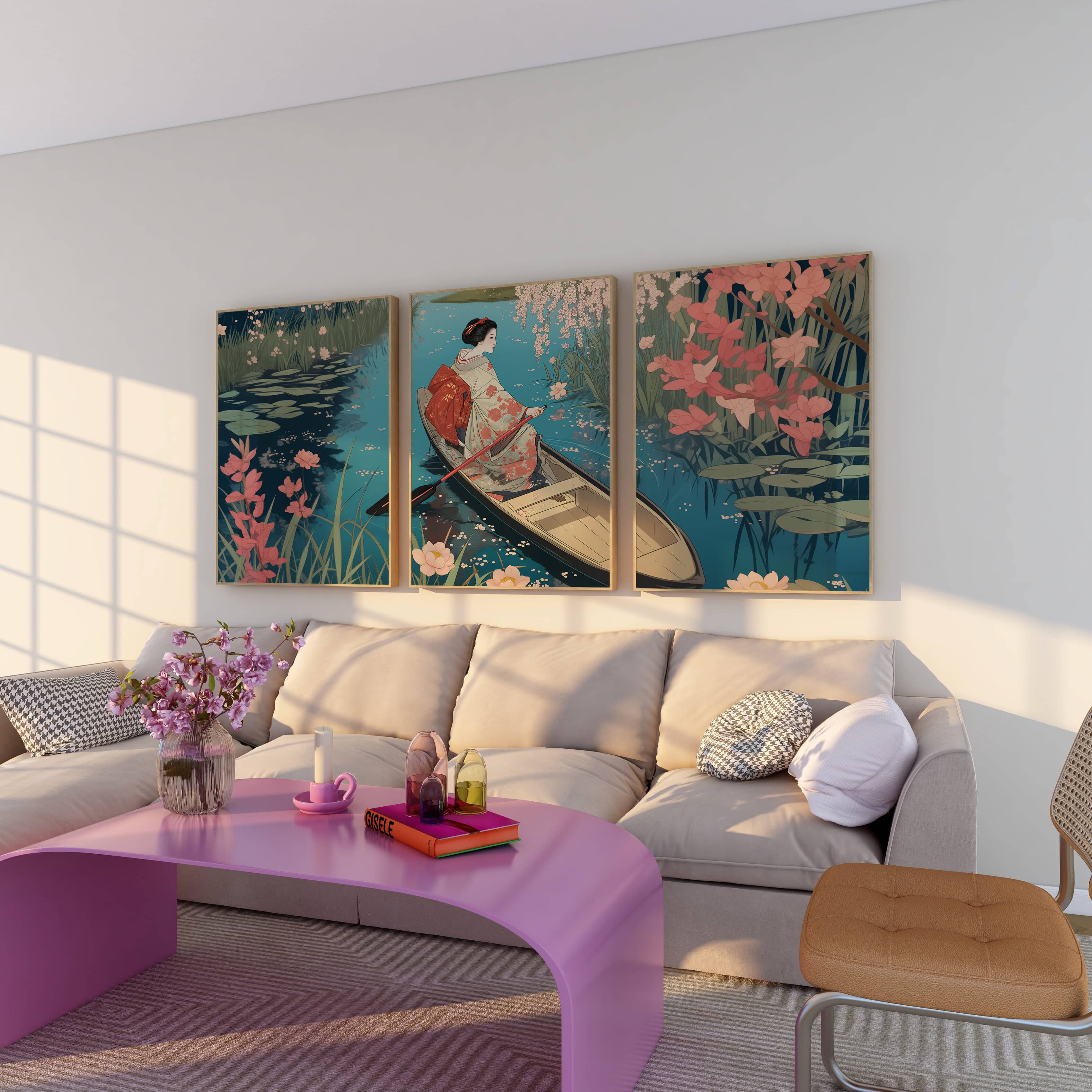
Ukiyo-e inspired Japanese wall art brings one of Japan’s most influential artistic traditions into contemporary interiors. While rooted in history, ukiyo-e aesthetics continue to resonate today because of their balance, rhythm, and intentional composition.
Rather than feeling historical or ornamental, modern ukiyo-e inspired wall art feels calm, structured, and surprisingly relevant for today’s minimalist and design-focused homes.
What Is Ukiyo-e and Why It Still Matters
Ukiyo-e originated in Japan as a form of woodblock printing, depicting scenes of nature, landscapes, seasonal transitions, and everyday life. The term “ukiyo” translates roughly to “the floating world,” reflecting an awareness of impermanence and the fleeting nature of life.
This philosophy is central to why ukiyo-e remains meaningful. The artworks were never about strict realism, but about capturing mood, movement, and atmosphere.
The Visual Language of Ukiyo-e
Ukiyo-e is defined by strong compositional balance, flowing lines, and carefully controlled negative space. Unlike Western art traditions that emphasize depth and perspective, ukiyo-e relies on flat planes and rhythm.
This visual clarity makes ukiyo-e particularly adaptable to wall art. The eye is guided gently through the composition, without visual overload or unnecessary detail.
Why Ukiyo-e Works So Well in Modern Interiors
Modern interiors prioritize proportion, calm, and intentional design — the same principles found in ukiyo-e.
When reinterpreted for contemporary wall art, ukiyo-e inspired designs feel architectural rather than decorative. They support the space instead of competing with furniture, lighting, or materials.
This is why ukiyo-e inspired wall art integrates seamlessly into modern living rooms, bedrooms, and open-plan interiors.
Modern Interpretations of Ukiyo-e Style
Today’s ukiyo-e inspired wall art is not a direct reproduction of historical prints. Instead, it reinterprets the style through simplified palettes, softer transitions, and cleaner compositions.
Color schemes are often muted or neutral, allowing the artwork to remain timeless and adaptable. Detail is reduced in favor of atmosphere and flow.
The Role of Nature and Movement
Nature plays a central role in ukiyo-e inspired art. Mountains, water, clouds, birds, and seasonal elements are depicted not as static objects, but as part of a larger rhythm.
This sense of movement makes ukiyo-e inspired wall art especially effective in horizontal or panoramic formats, where flow across the wall enhances the composition.
Negative Space as a Design Element
One of the most powerful aspects of ukiyo-e inspired art is its use of negative space.
Empty areas are intentional, creating visual pauses that allow the artwork to breathe. In interiors, this translates to wall art that feels calm and balanced rather than dense or busy.
Ideal Interiors for Ukiyo-e Inspired Wall Art
Ukiyo-e inspired Japanese wall art works particularly well in:
- Modern and minimalist interiors
- Japandi and Wabi-sabi spaces
- Living rooms with wide or long walls
- Bedrooms designed for calm and rest
- Homes that value cultural depth without ornamentation
Timeless Design Rather Than Trend
Because ukiyo-e is rooted in philosophy rather than fashion, it does not follow trends.
This gives ukiyo-e inspired wall art long-term relevance. As interiors evolve, the artwork continues to feel intentional rather than outdated.
Ukiyo-e as Storytelling Through Composition
Unlike highly detailed or literal artwork, ukiyo-e inspired pieces tell their story through composition.
The placement of elements, the direction of movement, and the balance of space communicate meaning quietly, allowing the viewer to engage without distraction.
Conclusion
Ukiyo-e inspired Japanese wall art offers a rare combination of cultural depth, visual calm, and modern adaptability.
By reimagining a historic art form through contemporary design principles, it creates interiors that feel thoughtful, balanced, and timeless.