


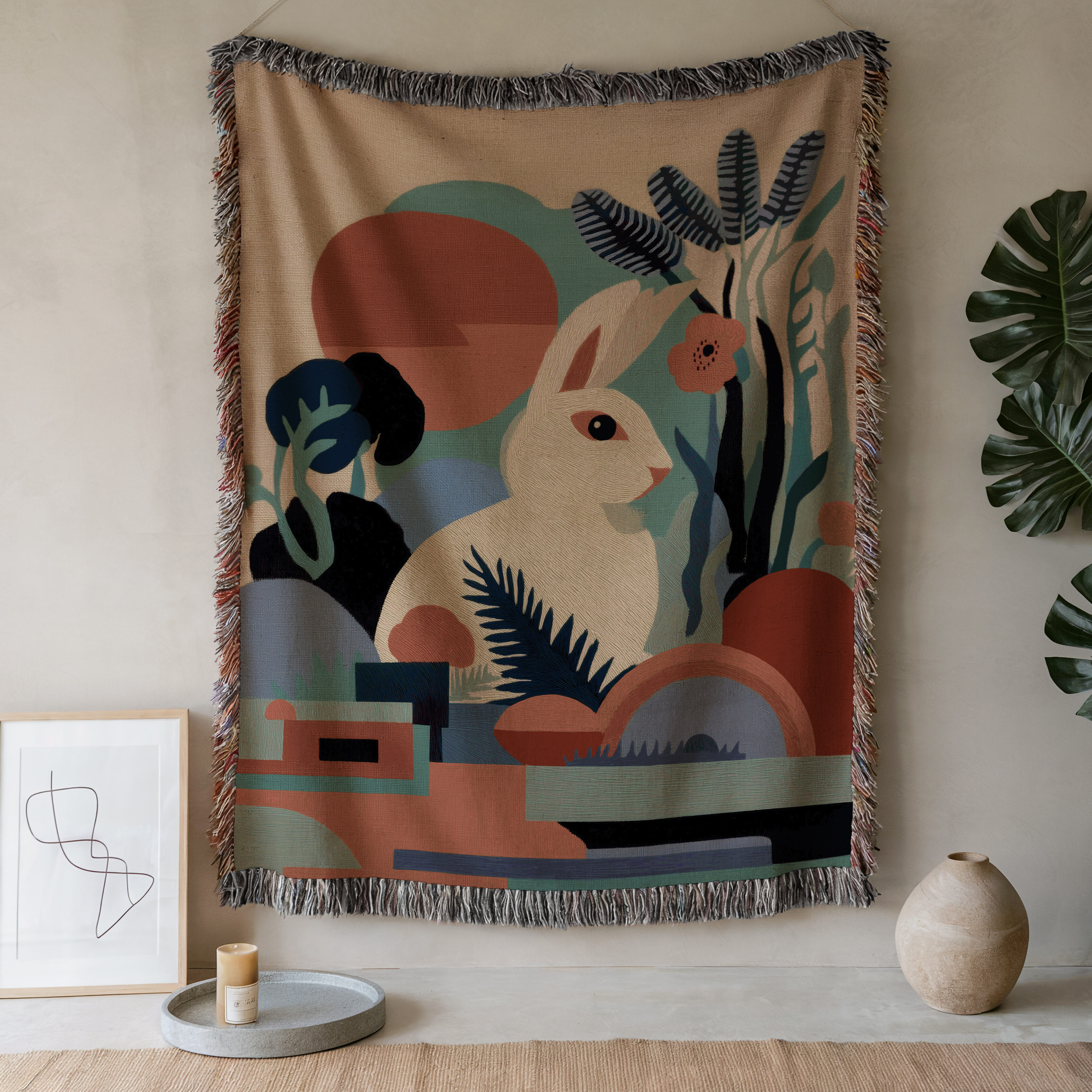
Why Textured Decor Is Taking Over Modern Interiors and How Woven Blankets Fit the Trend
Modern interiors are changing. For a long time, smooth surfaces, clean lines, and flat visual styling dominated home decor. White walls, simple furniture, framed prints, and minimal accessories created spaces that looked polished, but often felt cold or unfinished.
Now the direction is different. Interiors are becoming warmer, more tactile, and more layered. Texture is no longer a small detail — it has become one of the most important elements in modern home design.
This is why textured decor is taking over interiors. People want homes that feel comfortable, personal, and visually rich without becoming cluttered. Woven blankets fit naturally into this trend because they add softness, depth, and material warmth in a way that flat decor cannot.
What is textured decor?
Textured decor refers to interior elements that add physical or visual surface interest to a room.
This can include woven textiles, linen, boucle, wool, wood grain, ceramic finishes, handmade objects, layered rugs, textured wall art, and fabric-based accents.
The purpose of textured decor is not just to make a room look decorated. It helps the space feel more complete and lived-in.
Texture creates contrast. It breaks up flat surfaces and gives the eye something to engage with beyond color and shape.
Why is texture important in interior design?
Texture is important because it changes how a room feels, not just how it looks.
A room with only smooth surfaces can feel sterile, even if the furniture is expensive. A room with layered textures feels warmer, more intentional, and more comfortable.
Texture adds depth without requiring bright color or excessive decoration. This is especially useful in neutral interiors, minimalist spaces, and modern homes where the color palette is controlled.
Instead of adding more objects, textured decor adds richness through materials.
Why is textured decor trending now?
Textured decor is trending because people are moving away from interiors that feel overly staged or flat.
After years of minimalism, many homes began to look clean but emotionally empty. The new direction keeps the clarity of modern design but adds warmth through tactile materials.
This is why woven textiles, handmade-looking finishes, natural fibers, and layered surfaces are becoming more important.
The goal is not visual clutter. The goal is depth, comfort, and a more human feeling in the home.
How does texture make a room feel warmer?
Texture makes a room feel warmer because it softens hard surfaces.
Most interiors include many flat or rigid materials: walls, floors, tables, glass, metal, stone, or framed artwork. These elements can look clean, but they may also make the space feel cold.
Textiles balance that hardness. A woven blanket, soft rug, linen curtain, or textured cushion adds visual softness and makes the room feel more inviting.
This is especially important in living rooms and bedrooms, where comfort matters as much as style.
Why woven blankets work so well in textured interiors
Woven blankets are one of the easiest ways to introduce texture into a room.
Unlike purely decorative objects, they are both visual and functional. They can be styled on a sofa, layered on a bed, folded over a chair, or even used as textile wall decor.
The woven construction adds depth because the design is created through threads rather than printed only on the surface.
This gives woven blankets a more tactile and dimensional look, making them stronger as decorative accents than many basic throws.
Are woven blankets just functional or decorative too?
Woven blankets are both functional and decorative.
They provide warmth and comfort, but they also act as visible design elements. A well-chosen woven blanket can introduce color, pattern, texture, and mood into a room.
This makes them especially useful for interiors that need a soft refresh without changing furniture or repainting walls.
A woven blanket can make a sofa feel more styled, a bed feel more layered, or a reading corner feel more complete.
How textured decor works with modern interiors
Modern interiors often rely on simple shapes and clean furniture. This creates a strong foundation, but it can also feel too flat if no texture is added.
Textured decor solves this problem.
A woven blanket can soften a modern sofa. A textured rug can ground a clean living room. A linen curtain can warm up a bright window. A ceramic vase can add handmade character to a shelf.
The key is balance. Texture should support the room, not overwhelm it.
How textured decor works with minimalist interiors
Minimalist interiors benefit strongly from texture because they use fewer objects.
When there are not many decorative elements, every material matters more. A neutral woven blanket can add warmth without breaking the minimalist look.
For minimalist spaces, choose textures that are calm rather than busy. Cream, beige, taupe, grey, and soft earthy tones work especially well.
The result is a space that stays clean but feels less cold.
How textured decor works with maximalist interiors
Textured decor is also important in maximalist interiors, but for a different reason.
Maximalist spaces often use color, pattern, and layered artwork. Texture helps those elements feel richer and more intentional.
A bold woven blanket can connect colors from wall art, cushions, rugs, or furniture. It can add another layer without relying only on more framed pieces or decorative objects.
In maximalist interiors, texture helps create depth instead of flat visual noise.
Can textured decor make a room look more expensive?
Yes. Texture often makes a room look more expensive because it creates visual depth and material contrast.
Rooms that rely only on flat surfaces can look unfinished, even when they are clean and stylish. Adding woven, natural, or tactile elements makes the space feel more curated.
A woven blanket can elevate a basic sofa. A textured textile can make a neutral room feel more designed. A layered combination of art, fabric, and natural materials often looks more premium than decoration based only on color.
How to add texture without clutter
The best way to add texture without clutter is to choose fewer, stronger elements.
You do not need to fill the room with many accessories. One woven blanket, one textured rug, one ceramic piece, and one strong artwork can be enough.
The mistake is adding too many small decorative objects. That creates clutter. Texture should come from materials, not random accumulation.
Use texture as a design layer, not as visual noise.
How to style a woven blanket in a textured room
A woven blanket can be styled in several ways depending on the room.
- Drape it over one arm of a sofa for a relaxed look.
- Fold it across the back of a couch for a cleaner style.
- Layer it at the end of a bed for warmth and depth.
- Place it over an accent chair to soften the corner.
- Hang it as textile wall decor if the design is strong enough.
The placement should feel intentional. A woven blanket should not look like it was left there by accident.
How to choose colors for textured decor
Color matters, but texture should not depend only on color.
If the room is neutral, a woven blanket can introduce warmth through beige, cream, rust, olive, blue, or earthy tones.
If the room already has strong color, choose a blanket that repeats one or two existing shades instead of adding a completely unrelated palette.
The safest approach is to connect the blanket to something else in the room: wall art, cushions, rug, wood tones, or decorative objects.
Can woven blankets work with wall art?
Yes. Woven blankets work very well with wall art because they do a different job.
Wall art creates visual focus and structure. Woven blankets add softness and texture.
They should not compete. They should support each other.
For example, framed prints can define the wall, while a woven blanket on the sofa repeats a color from the artwork. This makes the room feel connected without looking overly matched.
Can woven blankets be used as wall decor?
Yes. Woven blankets can be used as wall decor when the design has enough visual strength and the blanket is hung properly.
This works especially well in rooms that need softness or a less formal alternative to framed artwork.
However, woven blankets do not need to replace prints or canvas art. The strongest interiors often combine both: structured wall art and tactile textile layers.
If you want to explore this idea further, read Woven Blankets vs Tapestries: What’s the Difference?.
What rooms benefit most from textured decor?
Textured decor works in almost every room, but it is especially effective in spaces where comfort matters.
- Living rooms: woven blankets, rugs, and cushions make seating areas feel more inviting.
- Bedrooms: layered textiles create softness and calm.
- Reading corners: texture makes small spaces feel cozy and intentional.
- Guest rooms: woven textiles make the space feel warmer and more welcoming.
- Minimalist rooms: texture prevents the design from feeling empty.
Why textured decor is not just a trend
Textured decor may be trending, but it is not temporary in the same way as a color fad.
Texture is a fundamental design principle. It affects how a room feels and how materials interact with each other.
Even if specific textile patterns change over time, the need for texture remains.
This is why woven blankets, natural fibers, layered textiles, and tactile surfaces continue to work across different interior styles.
Where can you find woven blankets for textured interiors?
When choosing woven blankets for textured interiors, look for designs that add visual depth, strong material presence, and colors that work with your existing room.
You can browse the woven blankets collection for textile pieces that can be styled on sofas, beds, chairs, or used as soft decorative accents in modern interiors.
Conclusion
Textured decor is taking over modern interiors because people want homes that feel warmer, deeper, and more personal.
Flat styling is no longer enough. Rooms need material contrast, tactile softness, and layers that make them feel lived-in and complete.
Woven blankets fit this trend perfectly. They add texture, warmth, color, and function without requiring a major redesign.
Whether styled on a sofa, layered on a bed, or used as textile wall decor, a woven blanket brings a physical softness that makes modern interiors feel more human.