


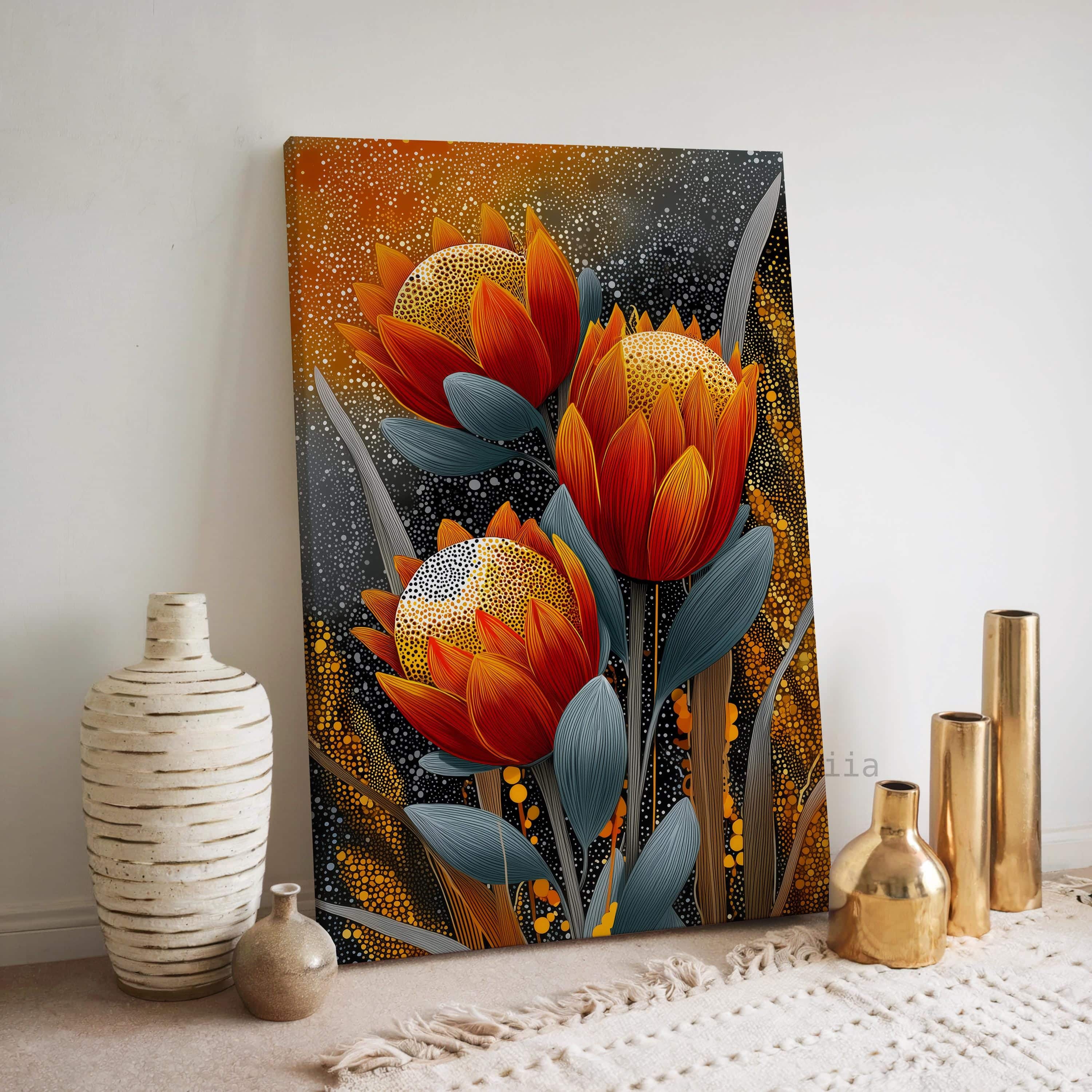
Botanical wall art has been part of interior design for centuries, yet it never feels old-fashioned. From classic illustrations to modern abstract florals, plant-inspired artwork continues to feel relevant across styles and decades.
This longevity is not accidental. Botanical art works because it aligns with how humans naturally respond to space, nature, and balance.
Nature Is a Constant, Not a Trend
Design trends change, but nature does not. Botanical imagery taps into forms and patterns that feel familiar and grounding regardless of era.
Unlike graphic trends or text-based art, plants and leaves do not date themselves. They remain visually acceptable across generations.
Botanical Art Evolves With Design Styles
Botanical wall art adapts easily to changing aesthetics. It has appeared as detailed vintage illustrations, bold modern florals, minimalist line drawings, and abstract botanical forms.
This adaptability allows botanical artwork to evolve without losing its core identity.
Soft Structure Without Visual Noise
Botanical forms offer structure without rigidity. Curves, stems, and organic shapes guide the eye gently across a wall.
This creates visual interest without the sharp contrast or aggression found in more graphic artwork.
Works in Both Minimalist and Maximalist Spaces
Few art categories function equally well in minimalist and maximalist interiors. Botanical wall art does.
In minimalist spaces, it adds warmth and life. In maximalist interiors, it layers seamlessly with patterns, textures, and color.
Color That Feels Natural, Not Forced
Botanical art introduces color in a way that feels intuitive. Greens, florals, muted earth tones, and natural contrasts blend easily into interiors.
This makes botanical artwork easier to live with long-term compared to bold trend-driven palettes.
Psychological Comfort and Familiarity
Plants are associated with growth, calm, and balance. Even as artwork, botanical imagery creates a subtle sense of well-being.
This psychological comfort is one reason botanical wall art remains popular in bedrooms, living rooms, and workspaces.
Botanical Art Ages Gracefully
Many artworks feel tied to a specific moment in time. Botanical wall art does not.
As interiors change, botanical pieces often feel more integrated rather than outdated, especially when paired with evolving furniture and materials.
Conclusion
Botanical wall art never feels outdated because it is rooted in something permanent. Nature provides forms, colors, and rhythms that remain visually relevant across generations.
This makes botanical artwork a reliable, timeless choice for modern interiors.