

What Kind of Wall Art Is Trending Right Now? 2026 Guide to Modern Interiors, Colors and Statement Decor
Wall art in 2026 is moving in two strong directions at the same time. On one side, interiors are embracing calm, texture, warm neutrals, nature-inspired artwork, and soft minimalism. On the other side, bold color, expressive abstract art, mindful maximalism, and oversized statement pieces are becoming more visible.
This may sound contradictory, but it reflects one larger trend: people want homes with more personality. Instead of choosing art only to match a sofa or fill an empty wall, homeowners are choosing pieces that create mood, texture, scale, and emotional impact.
The most important wall art trends right now are not random. They are connected to how people want their homes to feel: warmer, more personal, less flat, and more visually intentional.
What kind of wall art is trending right now?
The wall art trending right now falls into several major categories: oversized statement art, abstract modern art, warm minimalist prints, nature-inspired artwork, colorful maximalist pieces, Japandi wall art, textile decor, and multi-panel formats such as triptych wall art.
Large-scale artwork is especially important because modern interiors often have wide walls, open layouts, and large furniture. Small artwork can look disconnected in these spaces, while oversized pieces create a stronger focal point.
For wide walls, formats such as panoramic wall art and triptych wall art are especially relevant because they solve a real decorating problem: what to place above a sofa, bed, or long empty wall.
What art is trending in 2026?
The strongest art trends in 2026 include textured abstract art, oversized wall art, warm minimalism, mindful maximalism, nature-inspired prints, cultural and folk-inspired artwork, and textile-based decor.
Abstract art remains one of the most flexible categories because it works across many interiors. However, flat abstract prints are becoming less interesting. The stronger direction is abstract art with depth, movement, layered shapes, organic forms, and texture-like visual effects.
This is why abstract modern wall art continues to be a strong category for contemporary homes. It can be calm and neutral, bold and expressive, or large enough to act as a statement piece.
What type of art is in high demand right now?
The type of art in high demand right now is art that solves a clear interior design need. Buyers are looking for pieces that help them finish a wall, balance furniture, create a focal point, or make a room feel more personal.
High-demand wall art usually fits one of these needs:
- Large wall art above sofa or bed
- Oversized statement artwork for living rooms
- Abstract modern wall art for clean interiors
- Panoramic wall art for long walls
- Set of 3 wall art for wide spaces
- Calming art for bedrooms
- Bold colorful art for maximalist interiors
- Textured decor for layered rooms
The strongest pieces are not just decorative. They help the room feel complete.
What is the most popular art style today?
There is no single dominant art style today, but several styles are clearly leading modern interiors.
Abstract modern art remains one of the most popular because it is versatile and easy to style. It works in living rooms, bedrooms, offices, and open-plan interiors without needing a literal subject.
Warm minimalism is also growing because people still want calm interiors, but not cold or empty ones. This is where soft abstract art, cloud wall art, neutral landscapes, and Japandi-inspired compositions work especially well.
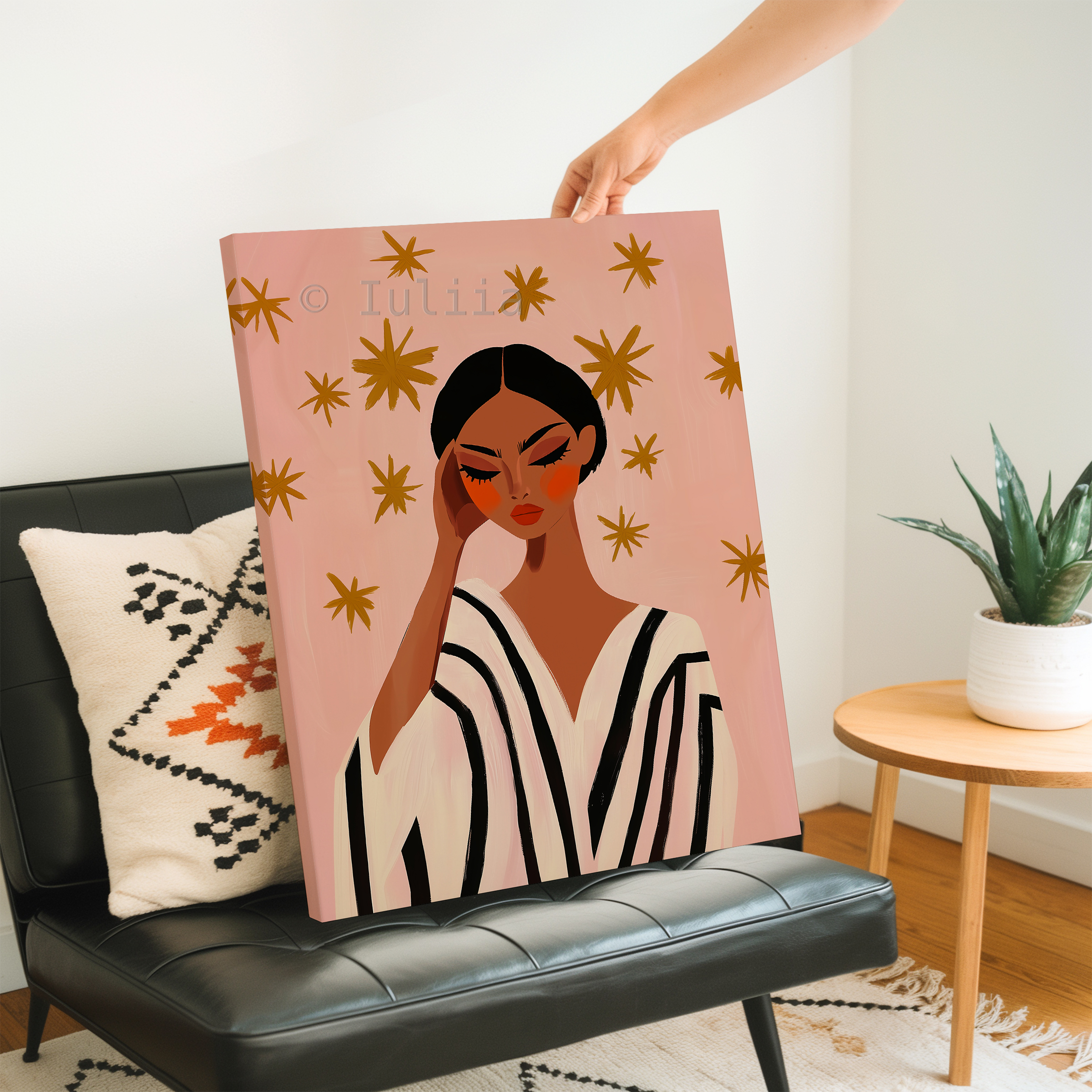
At the opposite end, maximalist wall art is gaining attention because many people are tired of beige, blank interiors. Maximalist wall art brings color, pattern, and personality into the room without requiring a full redesign.
What wall art styles are replacing cold minimalism?
Cold minimalism is being replaced by warmer, softer, and more expressive styles.
Instead of empty white walls and overly sterile decor, interiors are moving toward warm neutrals, natural textures, organic forms, and art with emotional presence.
This is why Japandi, cloud-inspired artwork, Japanese crane art, and neutral abstract pieces remain strong. They keep the calm of minimalism but add warmth, meaning, and atmosphere.
Cloud wall art fits this shift especially well because it creates softness and visual breathing space without making the room feel empty.
What color is replacing gray in 2026?
Gray is not disappearing completely, but it is no longer the main neutral. In 2026, warmer neutrals are becoming more important.
The colors replacing cold gray include cream, beige, sand, taupe, mushroom, clay, warm brown, muted olive, dusty blue, and soft earthy tones.
This matters for wall art because buyers are looking for artwork that feels calm but not lifeless. Neutral wall art now needs warmth, texture, and subtle depth.
Instead of flat gray abstract art, stronger choices include warm neutral abstracts, soft landscapes, muted botanicals, cloud artwork, and textured-looking compositions.
What prints and patterns are trending in 2026?
The prints and patterns trending in 2026 are more personal, more textured, and less generic.
Key directions include:
- Geometric Bauhaus-inspired art
- Abstract organic shapes
- Bold maximalist patterns
- Botanical and nature-inspired motifs
- Folk and heritage-inspired designs
- Textile-style patterns
- Clouds, cranes, landscapes, and atmospheric scenes
Bauhaus is not the loudest trend, but it remains commercially useful because geometric art works well in modern, mid-century, office, and Scandinavian-inspired interiors.
Bauhaus art is strongest when it feels updated: softer colors, larger formats, cleaner compositions, and more texture rather than basic red-yellow-blue poster styling.
What trends are coming back in 2026?
Several older or classic directions are coming back in a modern form.
Gallery walls are returning, but in a more curated and less cluttered way. Textile decor is also coming back, especially as interiors become more tactile and layered.
Bauhaus and geometric art continue to return because they provide structure and balance. Folk-inspired and heritage motifs are also gaining attention because people want decor that feels less generic and more connected to culture, craft, and story.
The important difference is that these trends are not coming back exactly as they were before. They are being updated with warmer palettes, larger scale, cleaner styling, and more modern placement.
What to put on walls instead of pictures?
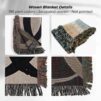
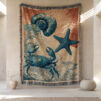
If you want something different from traditional framed pictures, consider textile decor, woven blankets, tapestries, sculptural wall pieces, oversized canvas art, or multi-panel artwork.
Textile decor is especially interesting because it adds softness and texture to the wall. A framed print gives structure, while a woven textile brings warmth and material depth.
Woven blankets can be used as sofa throws, bed layers, or textile wall accents. They should not be seen as replacing prints, but as expanding how a room can be layered.
The strongest interiors often mix wall art and textiles: prints or canvas for visual structure, woven pieces for tactile warmth.
What is the new trend in wall decor?
The new trend in wall decor is not just one style. It is the move toward walls that feel more intentional, layered, and personal.
That can mean one oversized abstract canvas, a panoramic artwork above a sofa, a triptych set, a bold maximalist print, a calming cloud piece, or a woven textile accent.
The common thread is that walls are no longer treated as empty surfaces to fill. They are becoming the main design feature of the room.
What is the most popular wall art for living rooms?
The most popular wall art for living rooms is large-scale art that works with the size of the furniture.
Living rooms usually need stronger visual anchors than hallways or small bedrooms. This is why oversized artwork, panoramic pieces, and set of 3 wall art are so practical.
A large artwork above a sofa should usually cover about two-thirds to three-quarters of the sofa width. This creates proportion and prevents the art from looking too small.
For wide living rooms, panoramic wall art and triptych wall art are among the strongest formats because they follow the horizontal line of the sofa.
What kind of wall art is best for bedrooms?
The best wall art for bedrooms is usually calmer than living room art.
Soft abstract pieces, cloud wall art, neutral compositions, gentle landscapes, Japanese-inspired artwork, and warm minimalist prints work especially well.
The bedroom should feel restful, so overly aggressive colors or very busy compositions may not be ideal unless the entire room is designed around a bold statement.
For above-bed placement, horizontal artwork or a balanced triptych can create a calm focal point without overwhelming the room.
What kind of wall art works for Japandi interiors?
Japandi interiors work best with wall art that feels calm, natural, and balanced.
Good choices include cloud art, Japanese crane wall art, soft abstract prints, muted landscapes, warm neutral artwork, and nature-inspired compositions.
Japanese crane wall art fits Japandi particularly well because cranes bring symbolism, elegant movement, and visual calm without clutter.
The key is restraint. Japandi wall art should add meaning and atmosphere, not visual noise.
What kind of wall art works for maximalist interiors?
Maximalist interiors need art with confidence. This can include bold illustration, colorful abstract art, expressive patterns, dopamine decor, and statement pieces.
However, maximalism in 2026 is more intentional than chaotic. The best maximalist wall art still needs balance, color logic, and a clear focal point.
A large colorful artwork often works better than many small unrelated pieces because it gives the room structure.
What kind of wall art works for modern interiors?
Modern interiors need wall art that supports clean lines without making the room feel cold.
Strong options include abstract modern wall art, Bauhaus-inspired geometry, oversized canvas art, panoramic wall art, neutral textured compositions, and carefully selected statement pieces.
The goal is not decoration for decoration’s sake. The artwork should create balance, scale, and mood.
What is the biggest wall art trend in 2026?
The biggest wall art trend in 2026 is personality with structure.
People want homes that feel personal, but they do not want visual chaos. This is why oversized statement art, mindful maximalism, warm minimalism, textured decor, and curated multi-panel formats are all growing at the same time.
They all solve the same problem in different ways: making interiors feel finished, expressive, and intentional.
How do you choose wall art that will not feel outdated?
Choose wall art based on scale, mood, and long-term connection rather than only on microtrends.
Artwork is less likely to feel outdated if it has one of these qualities:
- Strong composition
- Good scale for the wall
- Colors that work with the room
- Texture or depth
- Meaningful subject matter
- Flexibility across decor changes
Trends can guide the choice, but the best wall art should still feel right for the room and the person living with it.
Conclusion
The wall art trending right now is not limited to one style. In 2026, the strongest direction is art that makes interiors feel more personal, warmer, more textured, and better scaled.
Oversized statement pieces, panoramic wall art, triptych sets, abstract modern art, cloud wall art, Japanese crane art, Bauhaus geometry, maximalist pieces, and woven textile decor all fit this larger movement.
The best choice depends on the room. A living room may need scale and impact. A bedroom may need calm. A minimalist space may need texture. A maximalist space may need color and structure.
In every case, the goal is the same: choose wall art that helps the room feel intentional, balanced, and complete.