

Decorating large walls can be challenging. When a wall is wide and visually dominant, small artworks often feel insignificant and disconnected from the space. For this reason, interior designers typically recommend large-format artwork that can anchor the entire wall.
Two of the most popular options for wide walls are panoramic wall art and triptych artwork. Both formats create strong visual impact, but they achieve it in different ways.
Understanding how these formats work can help you choose the best option for your interior.
What Is Panoramic Wall Art?
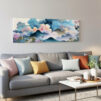
Panoramic wall art is designed with a wide horizontal format. These artworks are often significantly wider than they are tall, making them ideal for large walls.
This format mirrors the natural horizontal lines found in furniture such as sofas, beds, and console tables.
Panoramic wall art works particularly well in modern interiors where long walls require visual balance and continuity.
The elongated composition naturally guides the viewer’s eye across the wall, creating a sense of flow within the room.
What Is Triptych Wall Art?
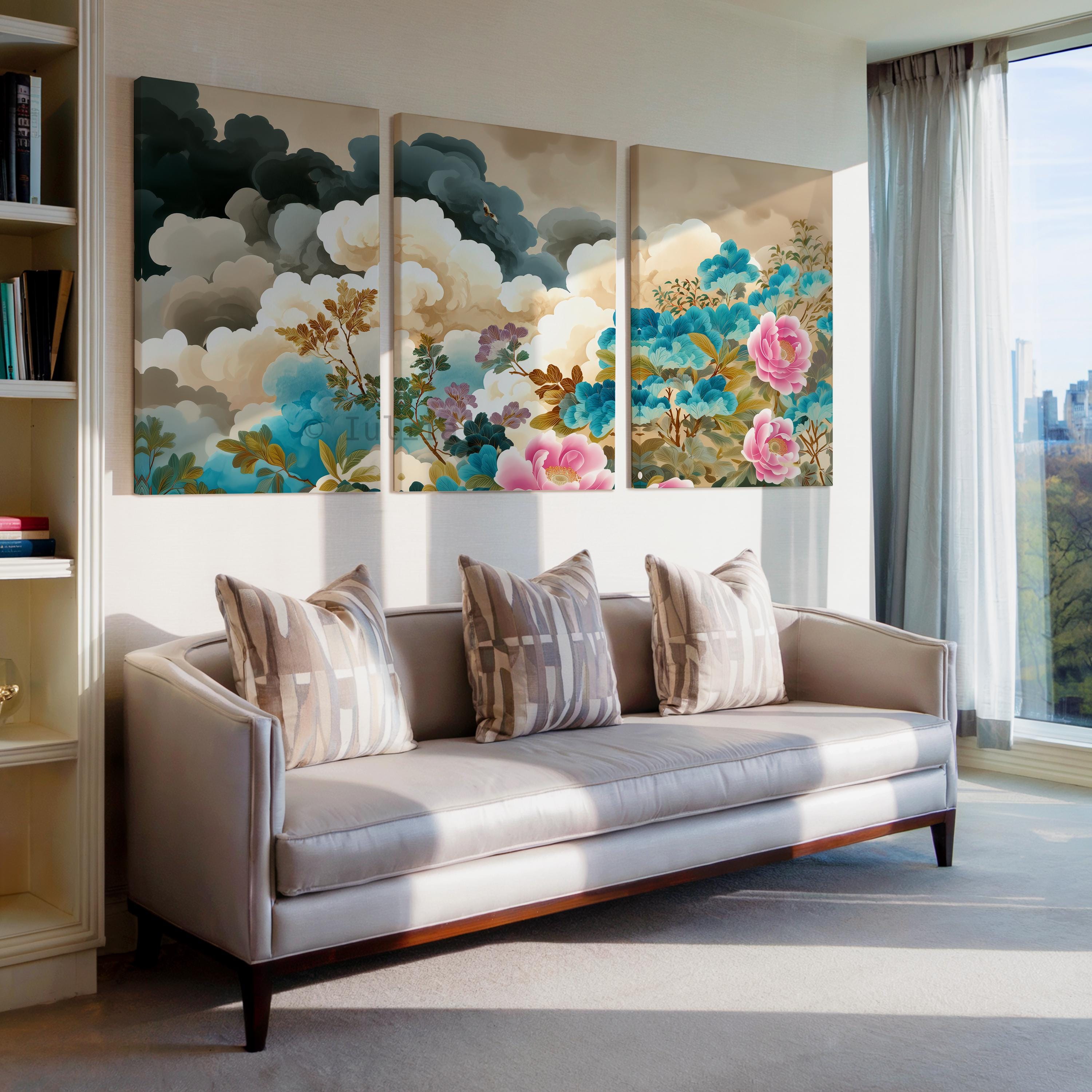
A triptych consists of three panels that together form a single artwork.
Although each panel is separate, the overall composition is designed to function as one unified visual piece.
This format creates rhythm and movement across the wall while maintaining the impact of large-scale artwork.
Triptych artworks are especially effective above sofas, beds, and dining areas where the panels echo the width of the furniture beneath them.
Panoramic Art Creates a Continuous Visual Flow
One of the biggest advantages of panoramic art is its uninterrupted composition.
Because the artwork is a single piece, the image flows smoothly across the wall. This creates a calm and cohesive visual effect that works particularly well in minimalist and contemporary interiors.
Panoramic artwork can also make a room appear wider because it emphasizes horizontal space.
Triptych Art Adds Rhythm and Structure
Triptych artwork introduces visual rhythm through the spacing between panels.
The gaps between the pieces create a subtle sense of movement while still maintaining a cohesive image.
This structure can make a wall feel more dynamic while still keeping the composition balanced.
Choosing the Right Format for Your Space
Both panoramic and triptych artworks work well for wide walls, but the best choice often depends on the style of the room.
Panoramic artwork tends to work best in calm, minimalist interiors where smooth visual flow is important.
Triptych compositions often suit interiors that benefit from more structure and rhythm.
Scale and Placement Considerations
Regardless of the format you choose, scale remains crucial.
Interior designers commonly recommend that wall art should occupy roughly two-thirds to three-quarters of the width of the furniture beneath it.
This proportion helps the artwork feel integrated with the room rather than floating independently on the wall.
Conclusion
Both panoramic and triptych wall art offer powerful solutions for decorating large walls.
Panoramic artwork creates smooth visual continuity, while triptych compositions introduce rhythm and architectural structure.
Choosing between them ultimately depends on the atmosphere you want to create within your interior.