

For many years gallery walls dominated interior design. Homeowners filled their walls with numerous small frames arranged in clusters to create visual interest. While this approach worked well in certain interiors, it often required careful planning and constant adjustments to achieve balance.
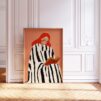
Today a different trend is gaining momentum in modern homes: oversized wall art.
Instead of arranging ten small artworks, designers increasingly recommend using one large statement piece that defines the entire room.
This shift reflects a broader movement toward simpler, more intentional interior design.
Why Oversized Wall Art Is Becoming So Popular
Large-scale artwork creates an immediate visual anchor in a room. The eye instantly understands where to focus, which makes the space feel organized and harmonious.
With gallery walls, the viewer’s attention moves between many elements. Oversized art, on the other hand, provides clarity and visual calm.
This approach also works particularly well in modern homes where open layouts and wide walls need stronger focal points.
Statement Art Simplifies Interior Design
One of the biggest advantages of oversized wall art is that it simplifies styling decisions.
Instead of coordinating multiple frames, colors, and spacing arrangements, a single artwork establishes the aesthetic direction of the room.
Furniture, textiles, and decorative objects can then complement the artwork rather than compete with it.
Panoramic Artworks Create Natural Balance
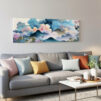
Oversized artwork does not always have to be extremely tall or square. In many interiors, horizontal compositions work even better.
Panoramic wall art is particularly effective above sofas, beds, and dining areas where long walls require visual balance.
These wide compositions naturally guide the eye across the space, creating a sense of flow and openness.
Triptych Artwork: A Modern Alternative
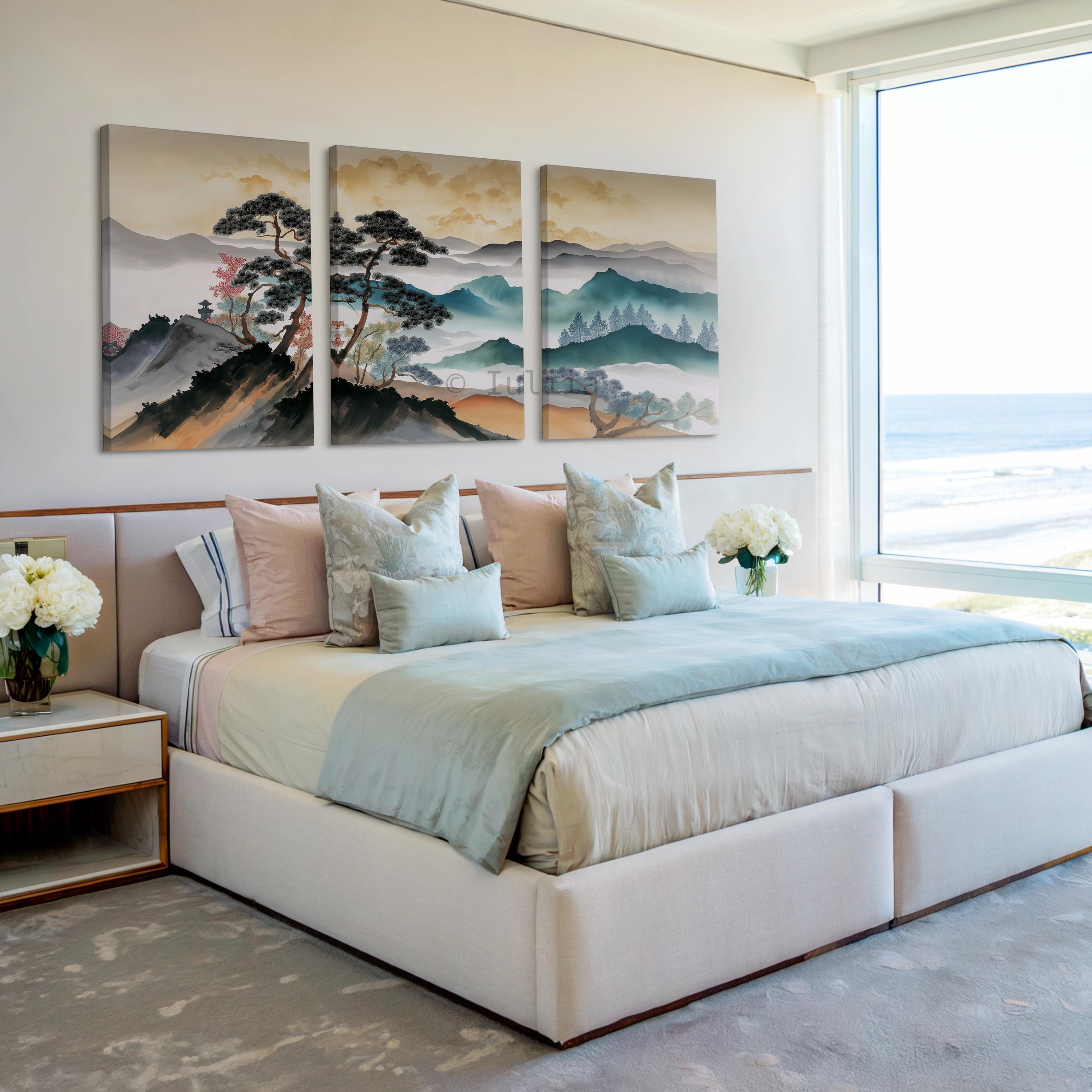
Another popular option within the oversized art trend is the triptych format.
Triptych artwork consists of three panels that together create a large composition. This structure allows the artwork to occupy significant wall space while still introducing rhythm and movement.
Because the panels are visually connected, triptych pieces maintain the strong focal effect of oversized artwork without feeling heavy.
When Gallery Walls Still Work
Although oversized art is gaining popularity, gallery walls are not disappearing completely.
They still work well in spaces such as hallways, staircases, or creative studios where visual variety is desirable.
However, in living rooms and bedrooms designers increasingly prefer a single strong artwork that establishes the identity of the room.
How to Choose the Right Size
When selecting oversized wall art, scale is important.
A common guideline used by designers is that artwork should cover roughly two-thirds to three-quarters of the width of the furniture beneath it.
This proportion ensures that the artwork feels connected to the space without overpowering it.
Conclusion
The rise of oversized wall art reflects a shift toward more intentional and visually focused interiors.
Instead of filling walls with many small pieces, homeowners are choosing large statement artworks that bring clarity, personality, and visual impact into the space.
Whether through panoramic compositions or multi-panel artworks, oversized wall art offers a powerful way to transform modern interiors.